Emburmanar Temple
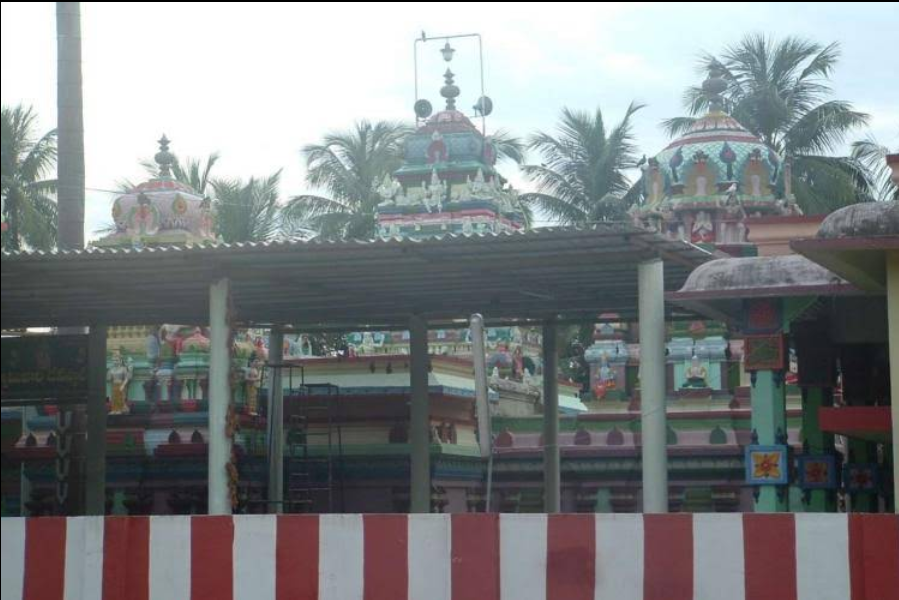
1. The Divine Connection (Abhinava Bhootapuri)
- Deity: The primary deities are Lord Vishnu (as Sri Adikesava Perumal), along with his consorts Sreedevi and Bhudevi, and Sri Emberumanar (a name for Saint Ramanuja).
- Replication of Sriperumbudur: The temple is famously known as Abhinava Bhootapuri (New Bhootapuri). This is because its architecture and daily rituals are a direct replication of the Sri Adikesava Perumal Koil in Sriperumbudur, Tamil Nadu, which is the Avatar Sthala (birthplace) of Saint Ramanuja.
- Yatirajanathavalli Thayar: Uniquely, the temple’s Goddess Lakshmi is named Sree Yatirajanathavalli Thayar. This name is attributed to a devotee of the Lord, making her a Varaprasadi (bestower of boons and wishes).
2. Historical Background (Built by a Devotee)
- Construction: The temple was constructed more than 200 years ago (around 1786 AD).
- Founder: It was built by Sri Prasannagresara Puppala Ramanappa Naidu, a native of Narsapuram and a translator who worked for the British East India Company.
- Guru Dakshina: Ramanappa Naidu was instructed by his Guru, Sriman U.Ve Eunni Ramanujacharya Swamy, to build a temple in Narsapuram on the lines of the Sriperumbudur shrine as his Guru Dakshina (offering to the teacher).
- Migration of Priests: Following the temple’s construction, several families of Sri Vaishnava priests migrated from Sriperumbudur to Narsapuram to ensure the services and rituals were performed exactly on par with the Tamil tradition.
3. Unique Architectural and Ritual Features
- Aasanam (Altar): The altar of Sri Emberumanar Swamy is called Bhadravedi or Thrivedi, signifying Saint Ramanuja’s authority over the three types of Sruthis (scriptures) in the Sri Vaishnava philosophy.
- Tamil Influence: The temple maintains a strong association with Tamil culture, which is reflected in its architecture and the conduct of its daily rituals and major festivals.
4. Major Festivals
The temple celebrates four major annual events which draw devotees, particularly those from Tamil Nadu:
- Bhogi Kalyanam (January)
- Meenotsavam and Brahmotsavam (March)
- Ramanuja Utsavam (a 12-day festival in April/May)